







Quick thought: wallets used to be just cold storage and seed phrases. Now they're mini-browsers, NFT galleries, DeFi gateways, and sometimes, annoyances. I'm biased toward wallets that keep the UX simple and the security strong. Seriously — ease of use matters, but not at the expense of safety.
If you're exploring Solana's ecosystem, a browser extension wallet is often the most convenient way to interact with dApps, mint NFTs, and sign transactions without constantly moving funds between accounts. This piece walks through what to look for, practical setup tips, and how to avoid common pitfalls when using a Solana wallet extension.
Short version: prioritize security features, clear recovery options, and a wallet that plays nicely with the apps you care about. Longer version below — with practical examples and troubleshooting notes from real use.
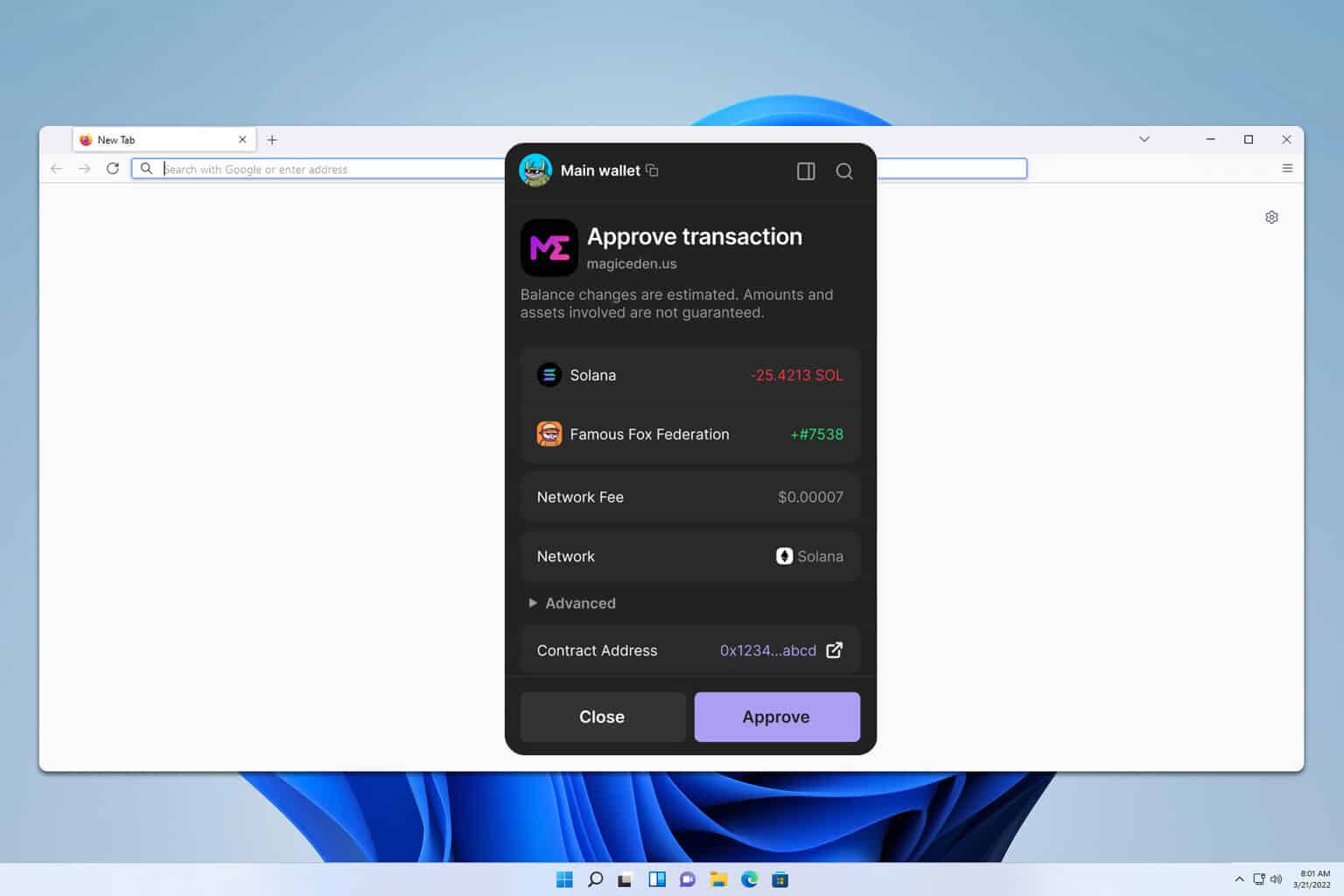
What a good Solana extension wallet should give you
At minimum, the extension should let you:
- Create and import accounts using a secure seed phrase
- Sign transactions safely (with clear prompts)
- Switch networks (mainnet, testnet, devnet) without confusion
- View NFTs and token balances in-app
- Connect to dApps with explicit permission flows
Beyond that, I look for user-friendly account management (multiple accounts), hardware wallet support, and clear privacy practices. It bugs me when wallets hide RPC endpoints or bundle trackers — transparency matters.
Getting started — a pragmatic setup checklist
Okay, so check this out—if you're installing a Solana extension for the first time, do these steps in order:
- Install from the official source. If you want a trustworthy, widely-used option, search the official site or the browser store listing carefully. A common pick in the Solana community is the phantom wallet, which offers a straightforward extension with a clean UI and solid dApp integration.
- Create a new wallet and write down the seed phrase on paper. Do not store it in plaintext on your computer or cloud drives.
- Set a strong extension password and enable biometric unlock if your device supports it.
- Fund a small “gas” amount first. Test transactions with a fraction of what you plan to use.
- Connect only to dApps you trust and inspect signature requests carefully. If something looks off, cancel and investigate.
One practical tip: use a separate browser profile or a dedicated browser for crypto activity. It reduces exposure to extensions or sites that might try to overreach.
Security practices that actually help
Here are a few practices I follow and recommend:
- Never paste your seed phrase into a website or chat. No exceptions.
- Use hardware wallets for large holdings; many extensions support Ledger or other devices.
- Limit approvals — some dApps request unlimited token approvals. Avoid "Approve All" unless you understand the risk.
- Keep software updated — browser, extension, OS. Small updates often close critical security holes.
- Double-check the domain of dApps you connect to; phishing sites can look identical to legit ones.
I'll be honest: the ecosystem moves fast. A process that was safe six months ago might have new attack vectors now. So, periodic reviews of connected sites and revoked permissions are smart — do that monthly if you’re active.
Common problems and how to fix them
Transactions failing? A few common causes:
- Network congestion — try increasing the fee or wait.
- Incorrect RPC endpoint — switch to the default mainnet or a reliable public RPC.
- Extension out of sync — sometimes a restart helps, or clearing the browser cache for that profile.
If you lose access to an account but still have the seed phrase, you can restore in any compatible Solana wallet. If you lost the seed phrase, there's no recovery. That's harsh, but true.
Comparing extension wallets — quick notes
There are several Solana browser wallets. They vary by UX, security integrations, and ecosystem partnerships. Some are minimal and fast. Others bundle NFT marketplaces or in-wallet swaps. My preference leans toward wallets that balance simplicity with optional advanced features — so you don’t get overwhelmed but can scale up when you need to.
When choosing, think about: how often you transact, whether you need NFT support, and if hardware wallet compatibility matters. That narrows choices faster than comparing every feature on paper.
FAQ
Is a browser extension wallet safe for everyday use?
Yes, for typical dApp interactions and low-to-medium value holdings—but only if you follow security best practices: secure seed storage, cautious dApp approvals, and software updates. For very large balances, consider a hardware wallet.
What if I suspect a scam or a malicious signature request?
Cancel immediately. Revoke the dApp’s permissions via your wallet settings, move funds to a new wallet, and report the malicious site to the dApp and browser vendor. Quick action reduces risk.
Can I use one wallet across multiple browsers?
Yes, you can restore the same seed phrase in the extension on different browsers or devices, but be mindful: more copies equals more points of failure. Use only the devices you control and keep backups secure.

Comments NOTHING